webmaster
The reality about Gas / Electricity.. Whether or not we realize it, gas/electricity is quietly fueling every hour of our lives; from waking up to pour a steaming cup of coffee all the way to dimming the lights and going to sleep. Out of all the fuels that we use regularly, gas / electricity are probably the most used ones. Here’s how they are similar and how different.
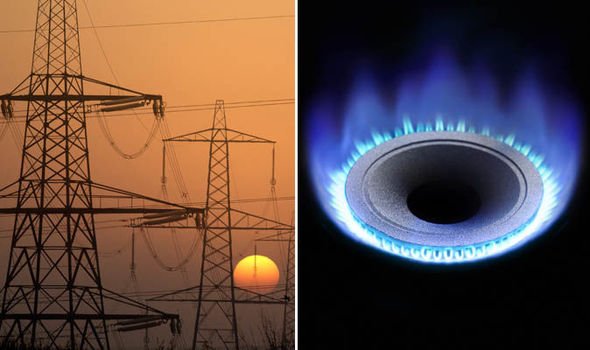
Understanding Basic of Gas/Electricity:
According to Natural, Gas/Electricity is a fossil fuel used primarily for heating homes, cooking, and powering some appliances. This is the type of gas/electricity that’s piped directly into our homes and most often, we’re given the perception of its being cheaper, particularly when it comes to heating our homes, especially in climates that get particularly cold. Electricity, conversely, is more versatile because it powers virtually everything, from lightbulbs to laptops to just about everything in between.
Depending on what electricity you use in your home it can be powered by a fossil fuel, a nuclear plant or even by more and more sustainable means like solar and wind.
In the world of homes and of household appliances: gas is the superior appliance because your stove gets much hotter, far more efficiently than electricity though with one minor caveat electric stovetops are often easier to clean and can even be more safe than gas burners. Gas is certainly far more economical for heating. However, electric heat is often simpler, cheaper and generally a quieter form of heat in a small space, and most would prefer the ease of an electric heater. For water heating, the cost often goes to gas since an electric water heater takes so long to reheat water, even if it’s considered more environmentally friendly and cost-efficient in the long term.
Comparing gas to electricity on price usually results in the same outcome: gas costs less per unit.
In many cases, particularly for gas utilities and electric utilities, natural gas will win the price war, as gas often costs a good 50% less than electricity for the same energy unit. The more you can minimize your dependence on electricity the more money you will likely save overall, unless you have your own, renewable electric source to use. The exception here is when the cost is measured in a much more nuanced way – for instance, how efficiently gas is utilized.
Gas requires at least some ventilation and this loss of heat can certainly cut into its efficiency benefits. It is often seen that natural gas is also associated with the extraction of large quantities of fossil fuels, typically extracted using methods that are very harmful to the environment like fracking. Electricity’s impact, on the other hand, is far more complicated: if your electricity is from a non-renewable energy source like coal or oil, your carbon emissions will be sky-high. If you live in an area that generates power through renewables, the impact to the environment will be practically nil.
Natural gas stoves, however, generally emit only about one-third of the greenhouse gases as coal-powered electricity generation.
On average across America, gas stoves release roughly 188 million metric tons of carbon dioxide equivalent per year, plus around 6 million metric tons of methane each year, with the latter being even more powerful. One study in the US indicates that when it comes to gas-burning in households around 5.7 million tons a year is produced globally and is responsible for 1.7% of childhood asthma cases and the equivalent of 246,000 cars on the road. Governments and energy researchers have made a push in recent years to move our energy from gas to electricity with most modern buildings becoming electric. Many households around the globe are being outfitted with smart thermostats, smart outlets, and smart ovens in an attempt to automate their energy consumption.
Moreover, more appliance companies are developing electric-only appliances and many are opting for more advanced electric models that can be controlled by smart home assistants.
As energy experts and policymakers continue to focus on energy-saving and emission-reducing solutions, we can anticipate many more government agencies to move to an electric world. This is an idea gaining traction worldwide, where there has been increased momentum around Electrification and in the coming years it is expected to gain far more momentum with all the technological advancements in home automation and efficient use of energy, and in energy generation technology, it is quite likely that the electric era will truly be ushered in to reality by a variety of means, including this new wave of energy efficiency and technology, but as the above discussion shows, this is not solely driven by economic interests. It’s time to finally make gas a thing of the past and move to the greener energy solution of electricity!
One could argue that it was the advent of steam power that really kick started industrial society. But then, the discovery and development of electricity gave rise to entirely new possibilities for industry, for innovation, and for everyday life itself. Both electricity and gas have their own unique pros and cons for home use, and it would be a mistake to simply claim one is objectively superior over the other in every situation.
But if you’re looking to future-proof your home energy use and to contribute to a healthier planet, then there’s one source of power that’s gaining ground and could well prove to be the ultimate victor in this showdown of home energy types.
Let’s look at why, by delving into each type individually and considering a wide array of factors, from efficiency and cost, to environmental impact and smart home capabilities.
The reason many still rely on natural gas stoves?
The intense, high heat that many cooking methods require for maximum results-think searing steak or caramelizing vegetables. However, while it’s king for high-heat cooking, that intense heat does come at an environmental cost.
Furthermore, some cooking professionals will attest that modern electric stove tops, like induction ranges, can actually be more responsive than gas when it comes to heat adjustments and they’re cleaner to boot.
The two sides of this heating battle have their respective strengths: Gas furnaces heat a space more rapidly and are more economical than electric furnaces. On the flip side, electric furnaces produce less heat (and have been traditionally less efficient but this is changing), do not produce exhaust and they have less complex internal components than their gas counterparts. Another popular method for heating water, gas water heaters heat the water at a faster pace than their electrical counter parts.
They also have much smaller water tanks than what an electric model would have. Even though electric water heaters take more time to heat, they do make for a more eco-friendly solution. Most experts agree that for residential water heating systems, electricity comes out on top from an energy-efficiency standpoint.
However, as with most home appliance purchases, gas will win for long-term savings because natural gas is generally cheaper per unit of heat energy than electricity.
But what’s often overlooked in cost comparisons is how efficient each technology is. High-efficiency electric water heaters are more energy efficient than high-efficiency gas models when they were originally developed. The electricity that is used by these appliances now uses renewable energy, so you are using sustainable energy in order to heat the water, a big win for green living. Most people will think natural gas stoves are best when it comes to cooking, but the reality is that cooking on an electric stove top (specifically an induction range) can heat up foods as quickly, if not faster, than on a gas range, all without the fumes and fire hazard of gas stoves.
Furthermore, the installation costs for gas stoves and water heaters were higher, now as costs come down for electric units.
Some of the main drawbacks of a natural gas range or water heater are that these units put off harmful fumes into the air that contribute to health problems like asthma, and the combustion of natural gas releases a tremendous amount of carbon into the atmosphere which fuels global climate change. The price point of an electric stove and electric water heater may be higher upfront than the cost of natural gas stoves and electric water heaters. Over time, electricity may prove more efficient and cost-effective as government incentives increase and the price of solar and wind electricity falls.
On the other hand, governments can add regulations, and implement taxes, that will make the cost of gas and oil skyrocket. For many of us, switching to an all-electric home seems daunting, as it’s not as simple as just changing over the stove, even if that is one of the first things that you may consider doing. Making such a switch can result in not only lower energy costs in the long run, but also reduced environmental impact as well.
While both electricity and natural gas have their own unique pros and cons when it comes to running our homes, electricity ultimately seems poised to replace natural gas for a number of reasons: Electric stoves, in comparison to gas ones, provide a greater number of options, like smooth ceramic cooktops and also give consumers more heat options such as the ever-advancing induction cooking top.
In general, an electric range or stove will only cost between $300 to $1,500, but prices will often vary, but this should be in line with other ranges such as that of gas. Induction ovens, specifically, were generally more expensive and ran between $1,000 and $5,000. As time progresses, the costs for such appliances will come down as they rise in popularity. Home automation is increasingly becoming a larger role in home appliances, as smart homes get more high-tech with features like remote-controlled appliances, home lighting controls and home security systems.
An electric range with smart capabilities can communicate with a smart home system while being able to control various appliances in a home remotely.
Because smart home technology works via an electrical connection, installing smart gas range in is just not practical as these are not commonly found on the market, nor would they be nearly as beneficial as some of their electrical counterpart models. The price is one of the most important factors that homeowners will have to consider. If the price of electricity keeps climbing then the rationale behind switching over to electricity will dwindle for the consumer.
But there are a number of factors which indicate the cost of electricity will only go down as renewable energy grows as a more dominant power source and it gains traction around the globe. Here’s a quick snapshot of how electric homes score on the environment: It is true that electricity produced by burning fossil fuels like coal or oil can have a significant negative environmental impact, including the emission of greenhouse gases that contribute to global climate warming, air pollutants and acid rain. However, electricity is the backbone of renewable energy sources, including solar and wind power, and when sourced from these renewable resources, electricity production can have a virtually zero impact on the environment.
Electric appliances do not emit greenhouse gases themselves, whereas burning of natural gas does; thus if we get our electricity from renewable sources we will no longer be contributing to global warming and thus saving the environment in so many ways. Countries including australia, germany and the UK have mandated that homes that they build and sold from this date onwards will no longer be using gas and instead will rely purely on electric power.
Australia and the uk have vowed to ban natural gas heaters and stoves from houses in the coming decades. More homes being built today are exclusively all electric homes, and for many years now EVs or electric cars are becoming increasingly popular and are changing the way that people are fueling their vehicles. Some estimates say that the adoption of electricity could have far reaching benefits when it comes to combating the impacts of global warming and saving the environment around the world. Let’s first consider all the costs associated with purchasing and operating an appliance: Natural Gas The cost of a natural gas line installation can range from anywhere between $150 and $7,500.
An average natural gas appliance may cost anywhere between $400-$2000.
Electricity It cost from $200- $7,000 to have a electric appliance or heating system installed. It can take the cost of around $30 to install an all electric appliance or system as well as electricity is now quite readily available through various different outlets. Cost of a line for an appliance or heating system in this price bracket would be anywhere from 150 dollars all the way to $1,000.
Electric and induction range stoves often come with features and a higher price tag – although many electric appliances will ultimately have a lower price tag than gas versions when you consider the installation cost and overall usage cost over the years. Even gas prices and electricity prices can change seasonally depending on where you are. As solar panel technology becomes more and more affordable, with much lower costs of production in the past ten to 20 years, your solar array will quickly pay for itself.
Along with that, with more government incentive programs coming out each year for heat pumps and electric vehicles, for instance, you are much more apt to see cost benefits of making an electric switch.
Many regions are beginning to see electricity costs skyrocket, driven by market fluctuations and fuel costs. However, the rising prices for natural gas can often mean even bigger leaps in costs for consumers, since natural gas is heavily dependent on global fossil fuel markets. But don’t let the current price disparities confuse you – there’s a much bigger picture at play. As you know now electric appliance costs are significantly dropping with the rapid pace of advancement of technology.
We could also use government incentives and policies to reduce and discourage the purchase of gas-burning appliances in the future while encouraging the adoption of electric appliances.
Here are a few things that can guide you in making an all electric home: Identify your home energy habits-when do you use the most energy, what types of energy do you need to power? Calculate all the costs involved-how will switching to an electric range impact your gas and electricity bills over the long term? Look into your region’s green-energy programs-many offer incentives that can make an electric home or appliance switch affordable for your budget.
If you have children or a loved one with respiratory health conditions-an all electric home can help minimize the air pollutants that circulate throughout the house and protect your home from serious health problems like asthma and chronic respiratory illnesses by removing any associated emissions that could potentially make them sick, this can contribute significantly to improved quality of life for your family and in your own personal well being.
This is part 2. (12735 characters). Electricity, on the other hand, is an electrical power source. It controls your lights and your devices.
You could say that it could run the entire household by just switching on one of the smart switches, you would just have to be careful of the costs of all these smart homes because as you probably know, these are extremely expensive for homeowners and renters both alike.
Electricity can be produced by the burning of a fossil fuel, coal or oil, but that’s hardly sustainable, isn’t it. We also have the option of producing electricity from a nuclear plant, but even more viable for this purpose is to use electricity generated from either solar or wind-powered sources of renewable energy. It really doesn’t even make a difference because for electric power as a whole it is all about electricity generated by solar panels. If you can install the panels yourself in your backyard to provide your household with electricity you will not have to even go through a utility, especially in some areas that have the potential to generate enough power for even your neighbors to be powered with an electric home and be eco-friendly.
Electric and natural gas can either have beneficial environmental effects, depending on what power you are producing your electricity from, or very harmful environmental effects depending on what power you use.
What it seems is that the choice isn’t even whether we can power our homes with either electricity or gas; it’s about switching to electricity in order to combat global warming. Let’s consider the cost: One way to help to make our cities cleaner is to buy electricity instead of natural gas appliances or water heaters and more. But, again, if the price for electricity skyrocket, consumers will not pay anything close to what they currently do and they’ll still have to cover the price of electricity, electricity that may be produced using an alternative energy source, it just means that for the consumer the cost will always increase unless it’s from an alternative source and I do hope that governments and utility companies do implement some type of cap on it to ensure we do not over pay.
When it comes to switching from gas appliances to electric there can be advantages in terms of installing appliances like this throughout our homes. First of all, and I’m going to preface this by telling you the cost of an electric stove installation or water heater is generally going to be significantly higher. While your gas stove will most likely not be over 2-5 times more than an electric stove, you’re going to likely see 2-3 times more expenses.
Some companies and regions also add government rebates that would lower the price and you’re not even gonna be able to know you are saving a dollar!
There’s a reason these governments subsidize and that is that we’ve all been told that moving to green energy is crucial to the planet, which is definitely true! But then when they do make it extremely hard for you to actually save money it really brings question to mind. Natural gas stoves, they offer higher and stronger heating, thus they provide much quicker heating times to food items that need to cook on high temperature, like when you’re searing your steak, browning your ground beef or even just getting your favorite water to boil quickly before you enjoy it. Electric ovens generally just aren’t as good at reaching those really high temps like their gas counterparts do, but many manufacturers are making progress on this by introducing induction ovens that come in both electric versions as well as gas versions.
They say that even an electric oven would be quicker for heating, faster, hotter, than its natural gas ovens.
But as you know the price of an induction cooker will run you quite a sum of money. In general, they all cost between $500 and $2,500 depending on size and quality, although I am quite certain that there are many more on either side of that spectrum that are far more, or a lot cheaper, respectively. So for some homeowners, a switch to an electric cook top, an electric stove or water heater may not be affordable yet.
For others, this is the path that they have been paving. Homeowners will likely want to transition to electric in stages rather than all at once. This means you should identify your existing appliances as much as possible and check out if a potential transition from gas to electric appliance in terms of overall cost and efficiency makes any sense or would be feasible.
Perhaps you could begin with transitioning your stove for an induction unit, which will allow your food to heat up as fast and perhaps faster as your natural gas stove.
If you’re worried about electricity rates, especially if your house is already equipped with gas hookups then perhaps a solution is to switch to the higher energy-efficient heating alternative of gas heating. If you are concerned about air pollutants in the air you have the ability to switch out your heating for a gas heater. If you are considering upgrading your stove in a gas range, I recommend that you transition to a top quality induction gas stove. Induction ovens can be purchased for many applications and sizes, you will always pay for what you get!
Some would suggest that gas appliances offer greater range and much higher output capabilities when in reality the gas appliance’s efficiency is not so great and that is why electric induction stoves are superior.